
Sullivan County Property Tax Records
Sullivan County Property Tax Records are easiest to obtain when the search begins with parcel information and then moves into account-side review only after the property facts match. The research says Sullivan County follows state law and has assessment data available. That gives the county a practical search path even though the local research is thinner than some other counties. Start with the owner name, address, parcel number, and tax year. Once those facts line up, Sullivan County Property Tax Records become easier to compare, request, and review without mixing the assessment side with later account questions.
Sullivan County Property Tax Records Facts
Sullivan County Property Tax Records Search
The clearest public starting point for Sullivan County Property Tax Records is the Tennessee Property Assessment Data portal. Research confirms that assessment data is available, which makes the statewide parcel system the most reliable place to begin with owner names, addresses, parcel references, and valuation context. That first step matters because the parcel file is the county's base record. If the property facts do not match there, any later account question may drift toward the wrong parcel. Sullivan County Property Tax Records are easier to trust when the parcel result is confirmed before the search moves anywhere else.
The Tennessee county assessment information page also helps frame the search. It places Sullivan County inside the broader state-law assessment structure used across Tennessee. That matters because county assessment work, classification decisions, and appeal rights all connect to the same official framework. Sullivan County Property Tax Records are easier to read when the searcher understands that the county record is part of a larger state system, not a stand-alone local file.
The image below links to the official assessment portal used to begin Sullivan County Property Tax Records searches.
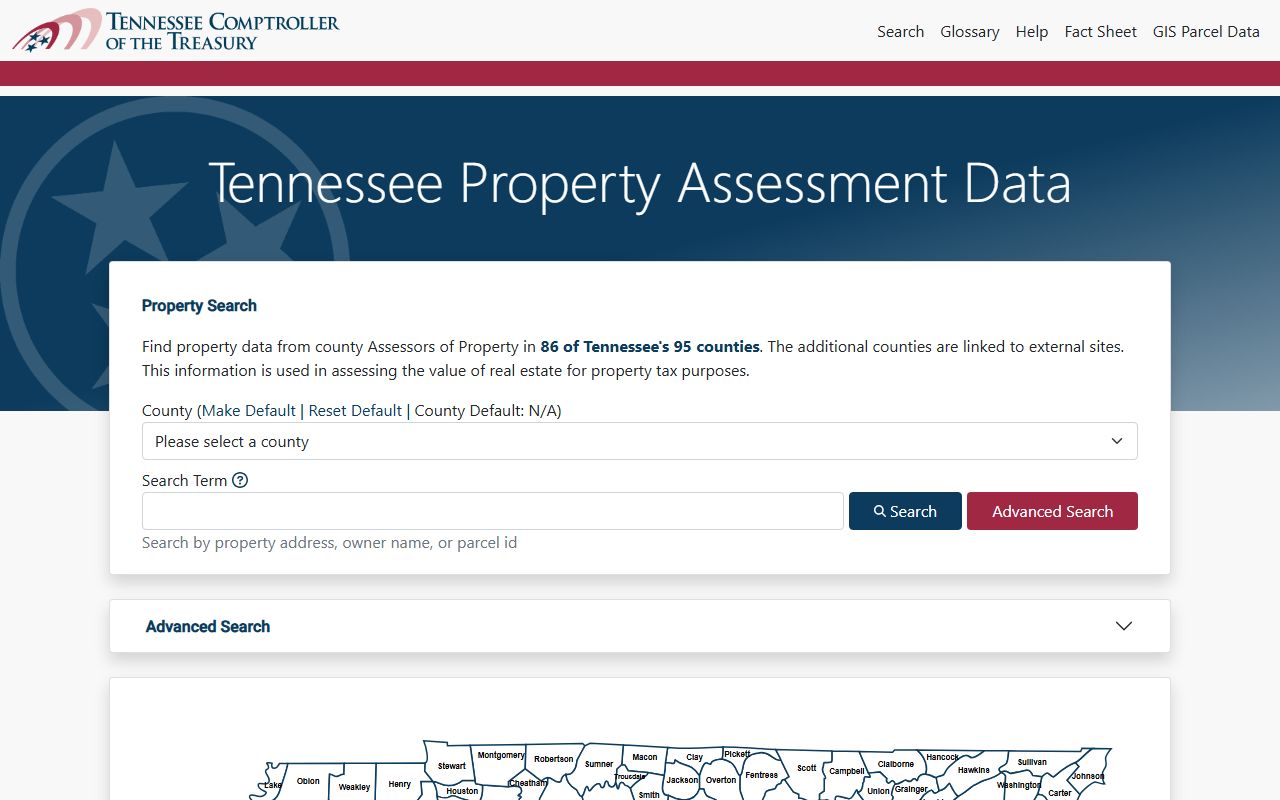
This image belongs here because Sullivan County Property Tax Records usually begin with parcel-level review through the official statewide assessment data system.
A stronger search checks the same property more than one way. Sullivan County Property Tax Records are easier to confirm when the owner name, property address, parcel number, and tax year all point to the same county file.
Sullivan County Property Tax Records Offices
The assessment side of Sullivan County Property Tax Records should be reviewed first because that is where the parcel description, assessed value, and classification work begin. The local research is brief, yet it clearly states that Sullivan County follows state law and has assessment data available. That gives enough direction to build the page around a county-first workflow. Confirm the parcel facts first. Review value and class next. Only then should the search move toward any account-side follow-up. Sullivan County Property Tax Records are easier to understand when the property description is stable before other county questions take over the search.
Sullivan County also sits in a part of eastern Tennessee where county property questions often overlap with multiple local communities. That does not change the record order. The parcel still comes first. The county assessment structure still controls value and classification. Sullivan County Property Tax Records become easier to manage when the searcher keeps the county parcel file at the center instead of starting with a city or payment issue that may only show part of the picture.
The most practical official fallback for countywide account-side questions is the Tennessee Trustee Association, used here as the statewide collection-side support path when a searcher needs to move beyond parcel facts.
Using Sullivan County Property Tax Records After Parcel Review
Sullivan County Property Tax Records become more useful after the parcel file is confirmed because the search can then focus on the right follow-up. If the issue concerns value or class, the next step may be on the assessment side. If the issue concerns the tax account, the search may need collection-side support. That sequence matters because parcel questions and account questions are related, but they are not the same thing. Sullivan County Property Tax Records are easier to request and compare when the searcher keeps those tracks separate.
Even with thinner local research, the county record flow stays clear. First identify the parcel. Then make sure the owner name, property address, and tax year all match. Only after that should a search move toward county account follow-up or appeal resources. Sullivan County Property Tax Records become easier to explain when the search stays fixed on the same property facts from start to finish.
The image below links to the Tennessee Trustee Association, which is the official statewide fallback when Sullivan County Property Tax Records questions shift from parcel details to the account side.
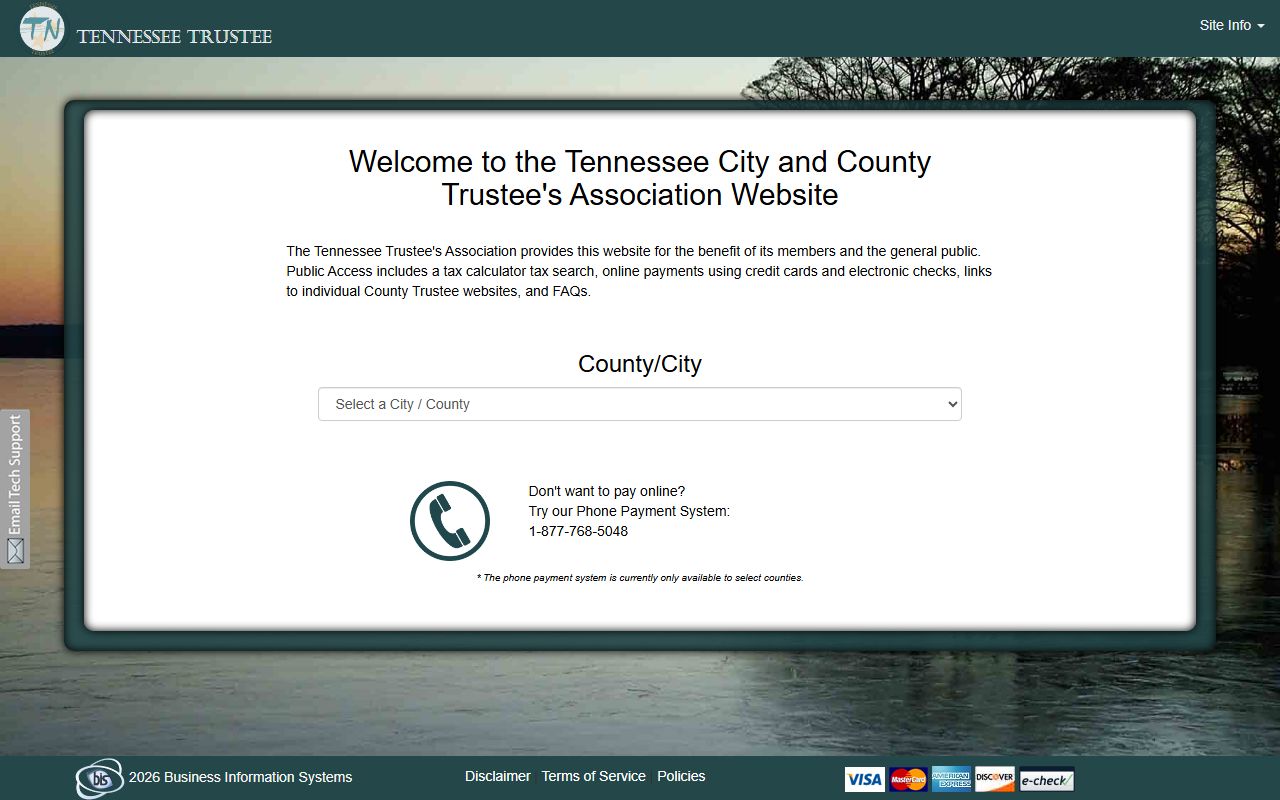
This image fits here because Sullivan County Property Tax Records often require a second step after parcel review, even when the local research is more assessment-focused than trustee-focused.
Sullivan County Property Tax Records Appeals
Sullivan County Property Tax Records may move into an appeal if the property value or class still appears wrong after the parcel file is reviewed. Tennessee begins that process with the county board of equalization. If the dispute remains unresolved, the state board provides the next review level. That sequence is important because value disputes should stay tied to the county parcel record and its supporting facts, not to a broad objection with no parcel-level base.
The county board guidance page explains the local review step, while State Board of Equalization appeal guidance explains the later state review path. Sullivan County Property Tax Records become easier to sort once the searcher knows whether the problem is a parcel mismatch, an account question, or a true value dispute.
The image below links to official county board guidance for Sullivan County Property Tax Records review.
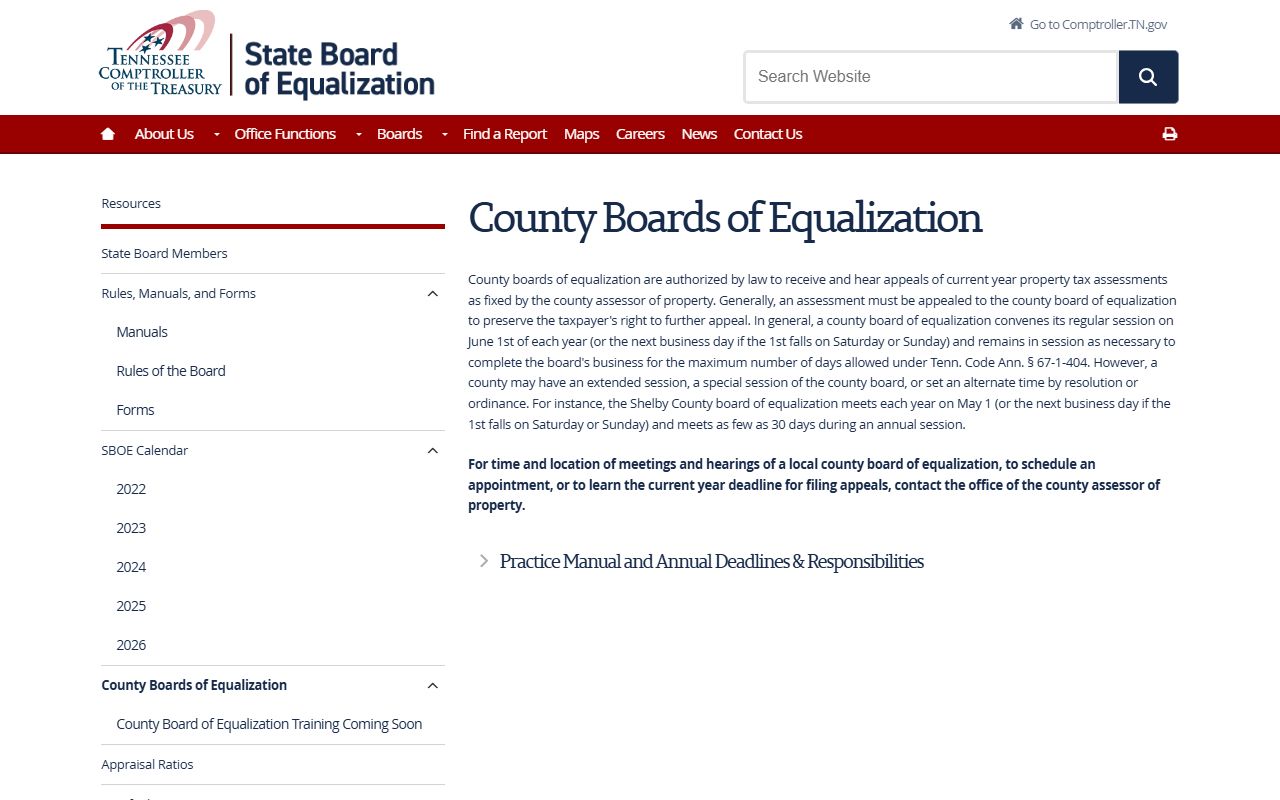
This image is useful because Sullivan County Property Tax Records disputes should normally begin with county board review before any state-level appeal is considered.
Sullivan County Property Tax Records Rules
Sullivan County Property Tax Records sit inside Tennessee's ad valorem property tax system. The CTAS property tax guide explains how county assessment, administration, and collection fit together under state law. That broader view helps because a county record is more than a parcel note or a single bill. Sullivan County Property Tax Records reflect how the county values property, classifies property, and carries property-tax obligations inside a formal statewide system.
The state board manuals page adds more detail on appraisal standards and classification practices. It is especially helpful when a county account looks ordinary, but the underlying value still seems wrong. Sullivan County Property Tax Records make more sense when the search returns to the rule side and asks whether the real issue begins with value, class, or a later account question.
- Start with the parcel record first.
- Keep the owner name and parcel number consistent.
- Use account-side support only after parcel review.
- Use appeal resources only for value or class disputes.
Help With Sullivan County Property Tax Records Requests
Sullivan County Property Tax Records are easier to request when the search stays simple. Begin in TPAD. Confirm the parcel. Use the county assessment information page to understand how the county fits into the state system. Move to account-side support only if the question is no longer about parcel facts. Then use board resources only if the dispute is really about value or classification. That order keeps a county request focused and reduces the chance of asking the wrong office for the wrong type of record.
If you need the shortest working method, keep the parcel number, owner name, property address, and tax year in front of you during every step. Sullivan County Property Tax Records become easier to verify, request, and compare when those county facts stay fixed from the first search through the final follow-up.