
Search Tennessee Property Tax Records
Tennessee Property Tax Records can be searched through county assessor offices, trustee payment systems, and statewide assessment tools maintained by the Comptroller. Some Tennessee counties use the state IMPACT platform, while others run their own local systems. That split matters when you want parcel details, appraised values, tax bills, exemptions, or appeal deadlines. This guide shows where Tennessee Property Tax Records are kept, how to search them, which agencies handle assessments and collections, and where to go when you need a copy, a payment portal, or a review of an assessment.
Tennessee Property Tax Records Quick Facts
Tennessee Property Tax Records Sources
Tennessee Property Tax Records are spread across several offices. The assessor values property. The trustee collects the tax. The State Board of Equalization hears many appeals after the county board stage. The Tennessee Comptroller Division of Property Assessments oversees the broader assessment framework and supports most counties through the IMPACT system. That office also maintains services tied to parcel data stewardship, land use, municipal boundaries, and search tools that help users find Tennessee Property Tax Records by owner name, address, or parcel number.
Not every Tennessee county uses the same software. According to the Comptroller, Davidson, Hamilton, Knox, Montgomery, Rutherford, Shelby, Williamson, Chester, and Hickman Counties operate independent CAMA systems instead of the state platform. That means Tennessee Property Tax Records may still be public and easy to search, but the search starts on a county page rather than the state portal. In the other counties, the statewide search tool can often surface parcel facts, classifications, building details, and sales data without making a separate county stop first.
A linked look at the Property Assessments Division is a good place to begin when you do not yet know which office controls a parcel. The page explains the state role and points you to the tools that support Tennessee Property Tax Records across the counties that rely on the state system.

The state overview is useful because it tells you whether a county stays inside the shared Tennessee Property Tax Records search system or routes you out to a local assessor platform.
Search Tennessee Property Tax Records
The most common search path is simple. Start with a county. Then choose owner name, address, or parcel ID. Tennessee Property Tax Records on the state platform also support added fields in some cases, such as subdivision, sale date, parcel classification, and map navigation. The Comptroller said the redesigned property assessment page added smart fill tools, data export, and individual parcel pages with sketches and photos. Those features help when you need to compare nearby parcels or verify what a local tax bill is based on.
The statewide portal at Tennessee Property Assessment Data covers most counties and remains one of the strongest entry points for Tennessee Property Tax Records. A search can show appraised value, assessed value, classification, parcel details, and some ownership history. If your county uses an independent system, the state page often still helps by making clear that the search needs to continue on a county-run site. That keeps you from wasting time on the wrong form.
A look at the Comptroller's redesigned portal page shows how Tennessee Property Tax Records are presented through the assessment tools and why address, owner name, and parcel ID each lead to slightly different results.
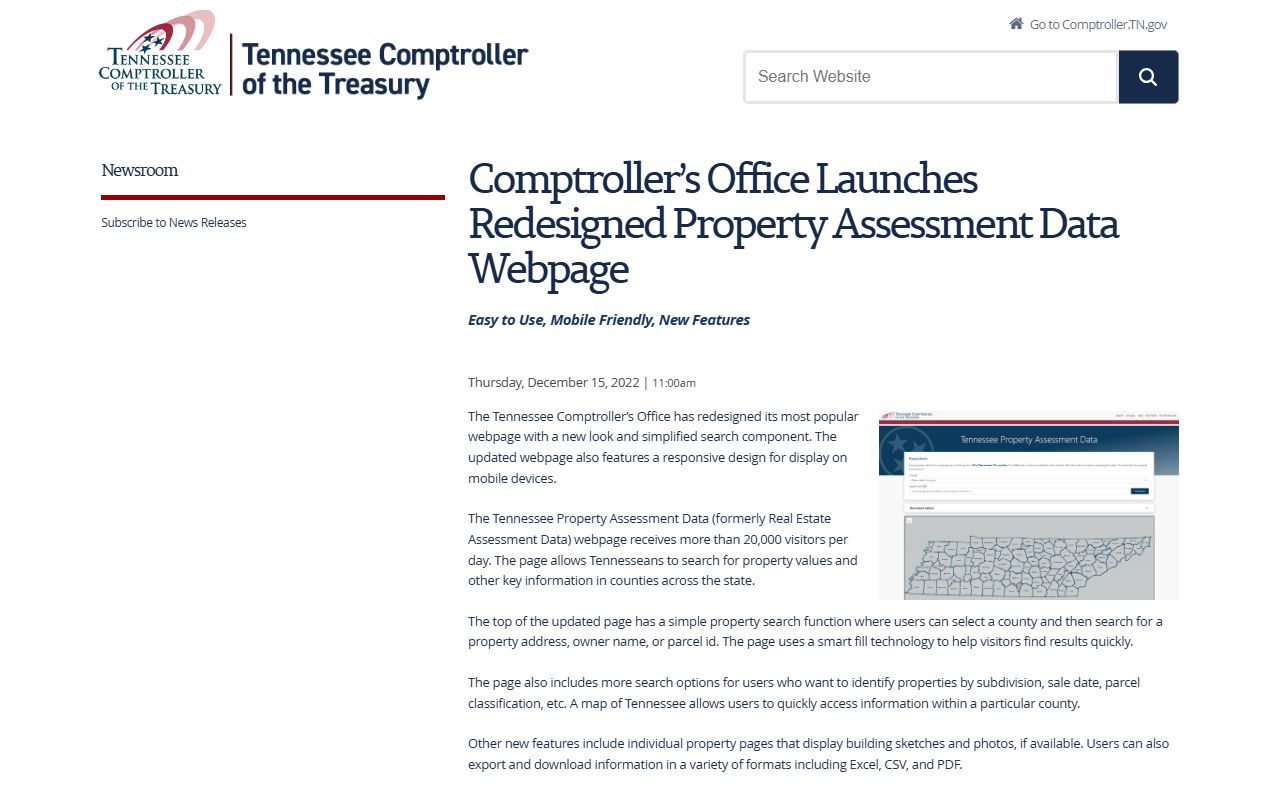
The portal explanation also confirms that exports in Excel, CSV, and PDF may be available, which matters when Tennessee Property Tax Records are being checked for research, appeal prep, or file review.
For a quick search, gather these details first:
- County or city tied to the parcel
- Owner name as it appears on the tax roll
- Street address or parcel number
- Tax year you need to review
- Whether you need value data, bills, or an appeal record
Tennessee Property Tax Records By Office
The assessor and the trustee do different work. That difference shapes the record trail. The assessor's side usually holds valuation files, classification data, parcel descriptions, field review notes, and reappraisal information. The trustee side usually handles billing, payment status, receipts, delinquency timing, and some relief applications. When users say they need Tennessee Property Tax Records, they may actually need both offices because one office shows how the value was set and the other shows how the tax was collected.
The Tennessee Trustee Association brings many county and city payment and search tools into one network. That does not replace the assessor. It does make Tennessee Property Tax Records easier to trace when the immediate goal is to confirm a balance, make a payment, or see whether a bill has been paid. The site also notes a phone payment option for some places. In practice, many Tennessee searches begin with the assessor and end with the trustee.
This image points to the statewide trustee network that many counties and cities use when Tennessee Property Tax Records are tied to billing, payment status, or tax relief intake.
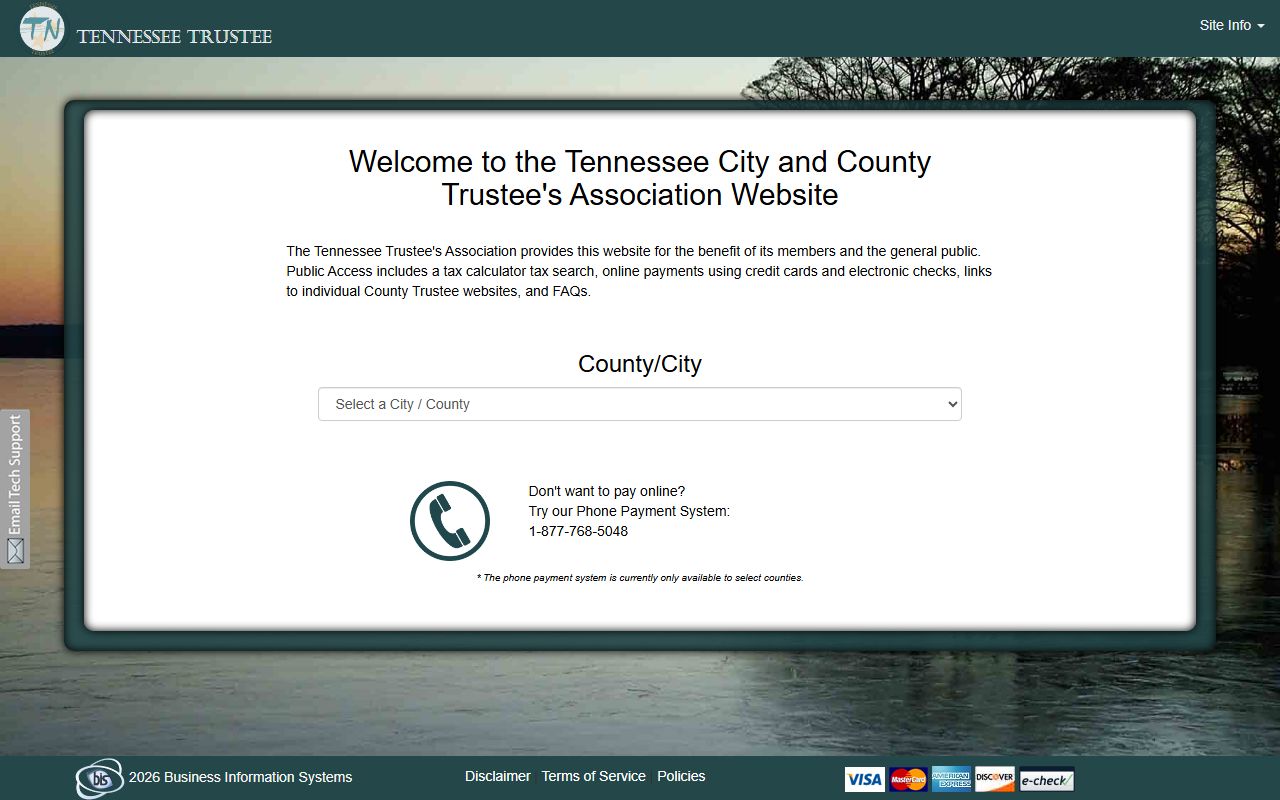
The trustee directory is especially helpful when a user knows the county but does not yet know whether the relevant Tennessee Property Tax Records sit at the county level, city level, or both.
Tennessee Property Tax Records And Appeals
Appeals are a core part of Tennessee Property Tax Records. A disputed value can generate review notes, filings, notices, and board orders that remain important long after the first assessment notice arrives. The State Board of Equalization filing page explains that taxpayers usually start with the county board of equalization and then move to the state board if needed. The filing fee is $10, with stated exemptions for some senior and indigent applicants. The normal state filing deadline is August 1 of the tax year under appeal, or within 45 days of the county board notice.
The more detailed appeals process page outlines the full ladder: informal assessor review, county board, state board, and finally chancery court. That sequence matters because Tennessee Property Tax Records created at one level often shape what happens at the next. If you skip a required county step, the later record may never be created. Users who need a clean paper trail should keep copies of notices, photos, sales comparisons, and proof that the county board appeal was filed on time.
A visit to the state board filing page shows where Tennessee Property Tax Records move from local assessment review into the formal appeal process.
The appeals portal matters because it ties value challenges to official filings and dates instead of leaving the Tennessee Property Tax Records dispute at the informal discussion stage.
The county board side also has its own timing. The county board guidance page says most boards convene on June 1 each year, though some counties set extended or alternate sessions. Shelby County is different and starts on May 1. These boards are not just procedural stops. They are where many Tennessee Property Tax Records disputes are first heard in a formal way.
The county board reference page helps identify when Tennessee Property Tax Records appeals begin locally and why missing the local board window can close off the rest of the process.
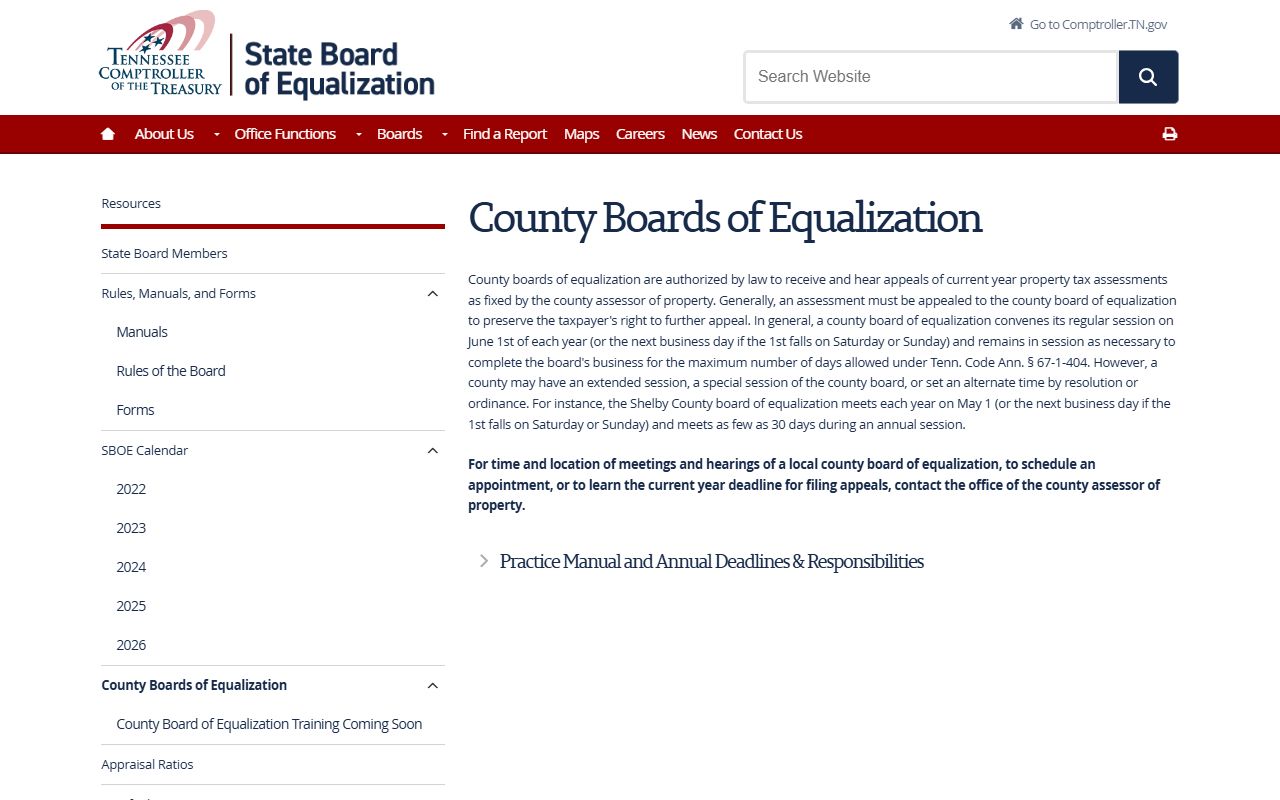
That timing detail gives Tennessee Property Tax Records users a practical reason to watch notice dates closely rather than waiting until bills are already late.
Tennessee Property Tax Relief Programs
Tennessee Property Tax Records also connect to relief and freeze programs. The state tax relief program serves low-income elderly and disabled homeowners, disabled veterans, and some surviving spouses. Applications are filed with local trustees or city collecting officials and then sent forward for final approval. That local-first workflow means the trustee often becomes part of the Tennessee Property Tax Records path even when the money comes from a statewide appropriation.
Appeals involving a denied relief application follow a different route. The tax relief appeal page says those cases are filed directly with the State Board of Equalization within 90 days of the determination. That creates a separate line of Tennessee Property Tax Records from a classic value appeal. It is not just a lower tax bill request. It is its own decision track, with its own deadline and its own evidence needs.
This linked state relief page explains how Tennessee Property Tax Records intersect with homeowner relief applications and why local trustees act as the first intake point.
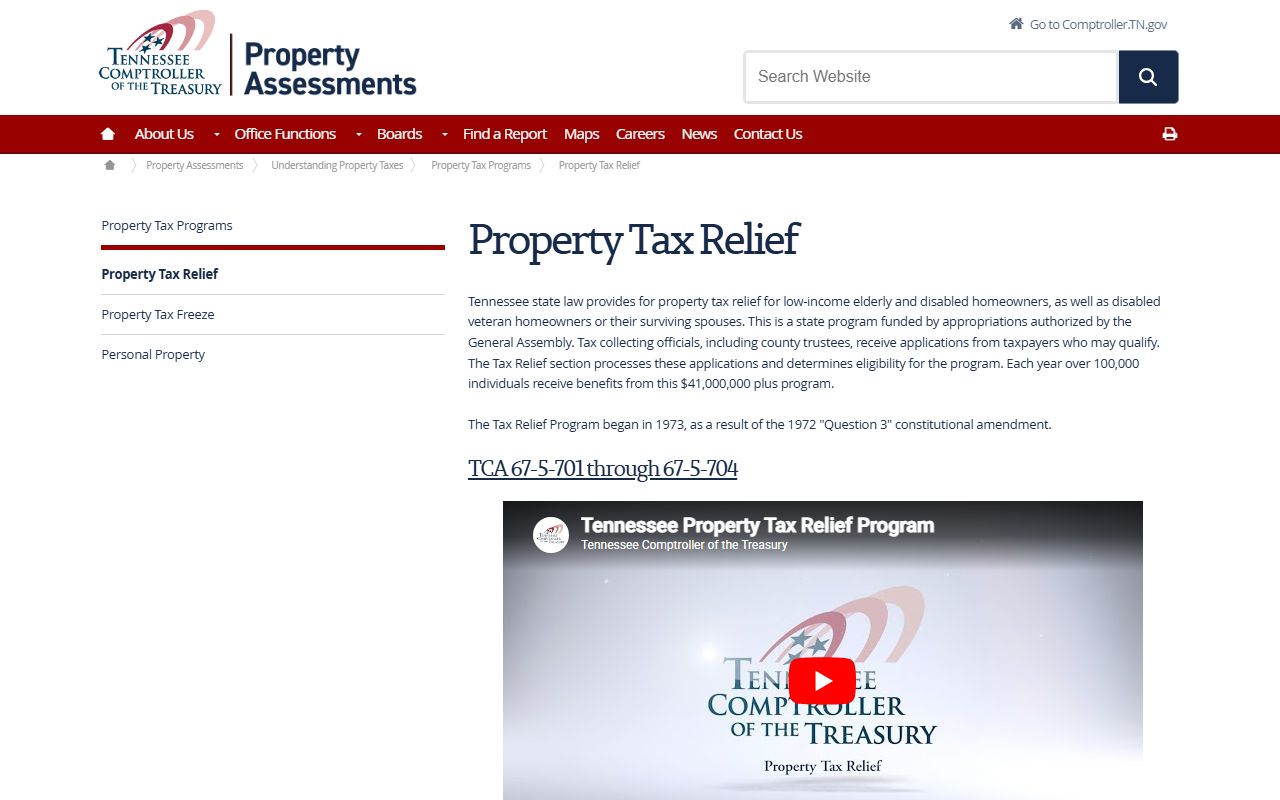
The relief program page is important because it shows that Tennessee Property Tax Records are not only about assessed value and payment status, but also about eligibility decisions tied to a home.
The separate relief appeal page shows where Tennessee Property Tax Records for denied relief claims move after the initial local review.
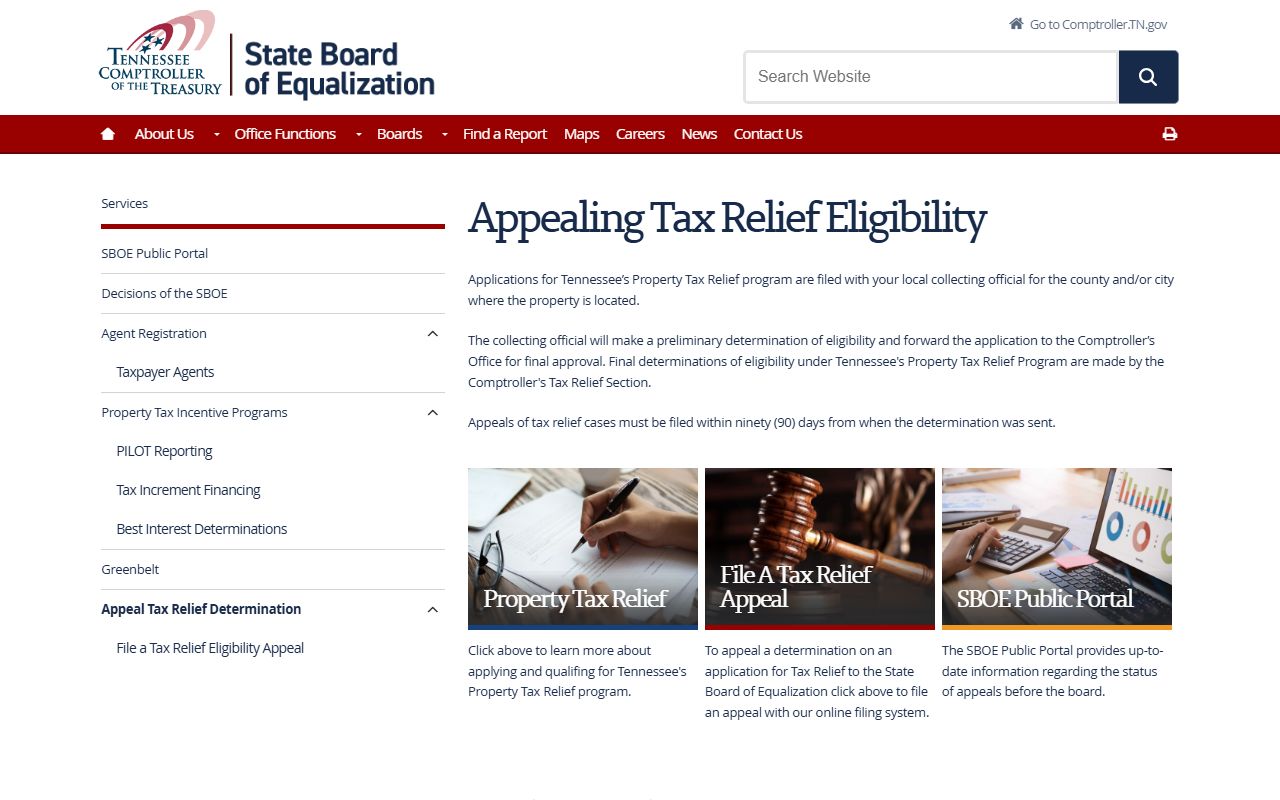
That extra page helps users distinguish between a value challenge and a relief challenge before they file the wrong form.
Tennessee Property Tax Records Under Law
Tennessee Property Tax Records sit within a broader statutory frame. The CTAS property tax guide explains that the ad valorem tax is based on value and follows the property even when it is sold or transferred. It also points to T.C.A. § 67-5-101, which states that all property is assessed for taxation unless exempt. The same guide explains fair market value in practical terms: the price a property would bring in a voluntary sale between informed parties. That description is central to how Tennessee Property Tax Records are built in the first place.
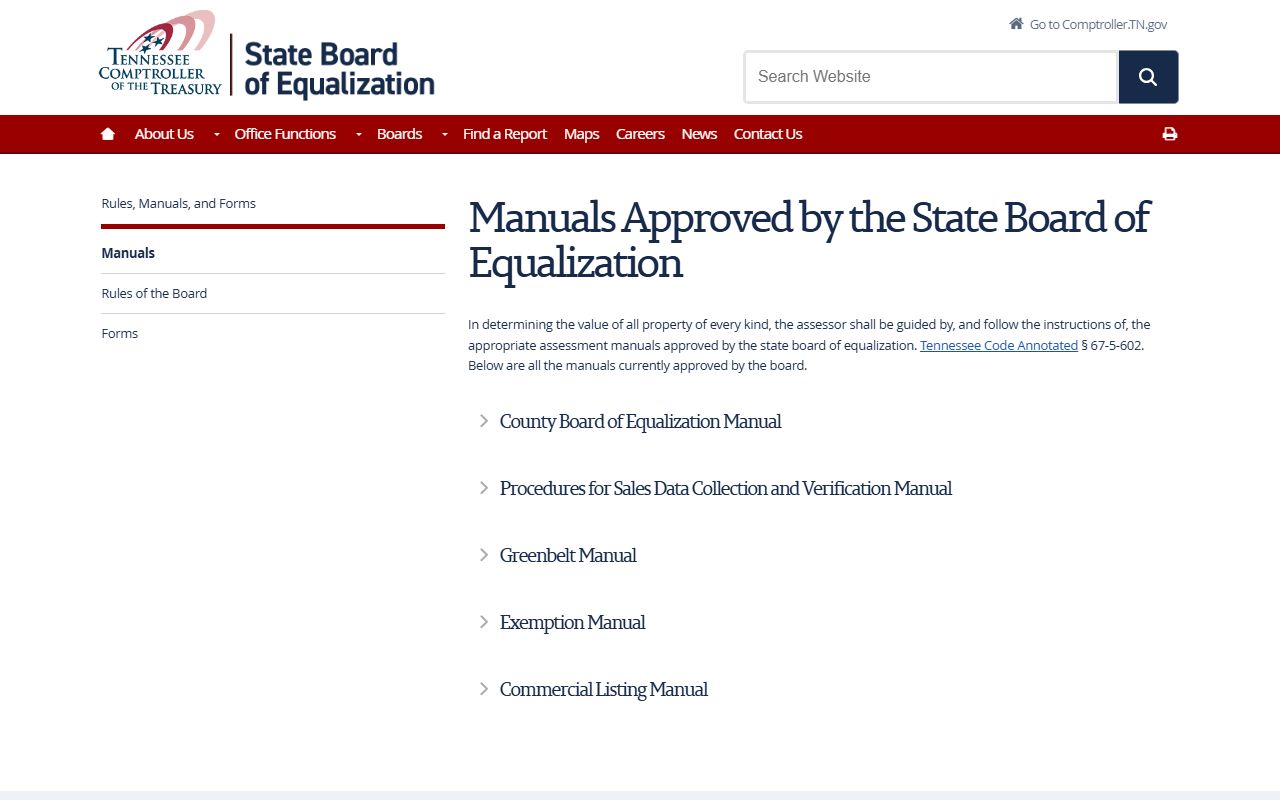
Manuals approved by the State Board of Equalization also shape the record system. The manuals page includes the County Board of Equalization Manual, sales verification procedures, the Greenbelt Manual, the Exemption Manual, and the Commercial Listing Manual. Those materials matter because Tennessee Property Tax Records are not assembled by guesswork. They follow published guidance on classification, exemptions, and valuation practice.
This CTAS guide is one of the clearest explanations of the legal and valuation rules behind Tennessee Property Tax Records.
The guide helps make sense of why the value shown in Tennessee Property Tax Records is not the same as a casual estimate or asking price.
The manuals page shows where Tennessee Property Tax Records standards are set for assessors, boards, exemptions, and greenbelt classifications.
Those manuals matter when a search turns from basic lookups to a dispute about method, classification, or exemption treatment.
The Greenbelt law is another part of the landscape. Tennessee's Agricultural, Forest and Open Space Land Act values qualifying land based on present use rather than highest and best use. That changes the content of Tennessee Property Tax Records for agricultural, forest, and open space parcels and can affect how owners read their assessment notices.
Note: Tennessee Property Tax Records may look very different from one parcel to the next because classification, relief, and greenbelt status can all change the final tax result.
Get Tennessee Property Tax Records Copies
Most users do not need a certified paper copy to review Tennessee Property Tax Records, but they do need the right office. Assessment cards, parcel maps, sales data, and building characteristics are usually tied to the assessor side. Payment histories, current balances, and delinquency timing usually sit with the trustee. Appeal orders and filings may sit with county boards, the State Board of Equalization, or chancery court depending on where the dispute has gone. That means the best way to get Tennessee Property Tax Records is to identify the type of record before you ask for it.
If you need parcel detail, start with the local assessor or the statewide portal. If you need billing detail, start with the local trustee. If you need an appeal record, start with the county board timing and then the State Board of Equalization if the case advanced. That office-specific approach saves time and leads to cleaner Tennessee Property Tax Records results.
For many searches, these offices and tools matter most:
Tennessee Property Tax Records By County
Each county page on this site focuses on local assessors, trustees, parcel search tools, and any county-specific notes from the research. Use the county directory to move from statewide Tennessee Property Tax Records guidance into a local page.
Tennessee Property Tax Records In Cities
City pages explain how municipal taxes work alongside county assessments, especially in places such as Nashville, Memphis, Chattanooga, Hendersonville, Gallatin, and Lebanon where city tax details add an extra step to the search.