
Find Haywood County Property Tax Records
Haywood County Property Tax Records are easiest to track when you start with the parcel record, confirm the county assessment details, and then move to the tax account. The research for Haywood County says the county follows state law, has assessment data available, and uses the trustee for collection. That gives searchers a practical path. Begin with the property itself. Check the owner name, parcel number, address, and tax year. Once those details match, the rest of the Haywood County Property Tax Records process becomes much easier to follow and request with confidence.
Haywood County Property Tax Records Facts
Haywood County Property Tax Records Search
The main public search route for Haywood County Property Tax Records is the Tennessee Property Assessment Data portal. The research confirms that assessment data is available, which means a property owner, buyer, or researcher can start by searching the parcel file before asking account questions. That first step matters. Parcel data is the base record for the county. If the owner name, parcel number, or address does not match there, the rest of the Haywood County Property Tax Records file will be harder to interpret. A clean search starts with the property record, not with the bill.
The county assessment information page gives Haywood County a county-specific place within Tennessee's statewide assessment system. That helps searchers understand that Haywood County Property Tax Records are local records built inside a broader state process. The county does not operate outside that framework. Instead, parcel review, value work, and appeals all connect back to the same state-guided structure. That context is useful when a searcher finds a parcel result but still needs to understand why the record looks the way it does.
The image below links to the official assessment portal used to start a Haywood County Property Tax Records search.
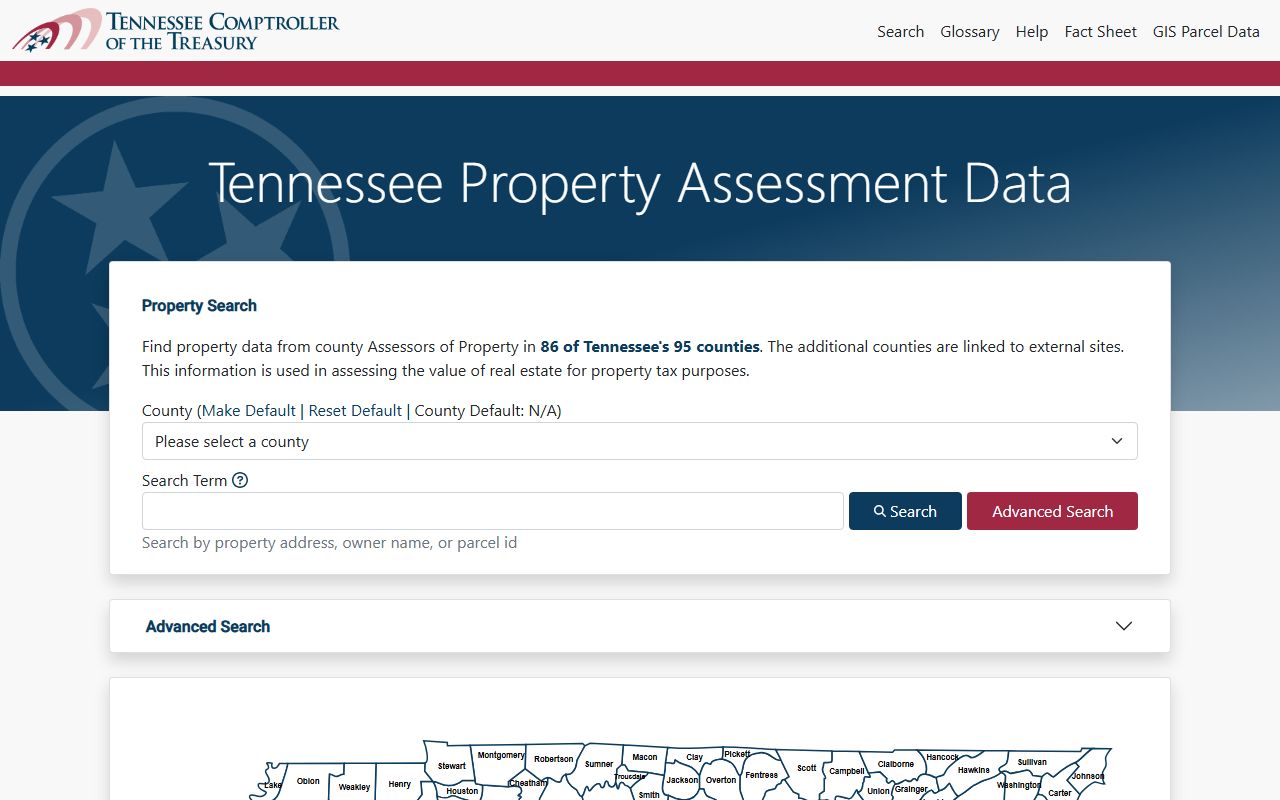
This image belongs here because Haywood County Property Tax Records usually begin with parcel data, ownership details, and the county assessment file behind them.
If a parcel has changed, sold recently, or been split, it helps to search by more than one field. Haywood County Property Tax Records are often easier to verify when the owner name, parcel number, and street address all point to the same tax year. That simple cross-check can save time later if the issue turns out to involve value, exemptions, or the live tax account rather than the parcel file itself.
Haywood County Property Tax Records Offices
The value side of Haywood County Property Tax Records belongs with the county assessor's work. The research does not add local office detail beyond the county assessment role, so the safest path is to treat the assessor as the source for parcel data, assessed value, and classification questions. That is the right place to start when a record appears off. If the parcel facts are wrong, the tax account can look wrong even when collection data is current. Haywood County Property Tax Records make more sense when the value side is reviewed before the balance side.
The collection side belongs with the trustee. The research specifically says the trustee collects taxes in Haywood County, which gives the county a clear split between parcel work and account work. That matters because payment questions, posted balances, and account status do not answer valuation questions by themselves. Haywood County Property Tax Records become easier to sort out when a search stays in sequence: first the property record, then the assessment context, then the collection account if the parcel is already confirmed.
The strongest official fallback for the account side is the Tennessee Trustee Association, which helps searchers identify the trustee path for Haywood County Property Tax Records when they need county collection contact information.
Haywood County Property Tax Records Bills
Billing is the point where Haywood County Property Tax Records become a live county account rather than only a parcel file. The search should stay methodical here. First confirm the owner, parcel, and year. Then compare those details to the tax account. If one field is off, a normal account can appear to show a larger problem than it really does. Haywood County Property Tax Records are more useful when the parcel record and the account record are checked together, but not confused with each other. They are related. They are not the same record.
Because the trustee handles collection, account questions should move there only after the parcel side is stable. That order keeps the search practical. An owner who starts with the bill may miss a parcel issue that explains the whole problem. A searcher who begins with the parcel can usually narrow the issue quickly. Haywood County Property Tax Records are easier to obtain and understand when the county file is read in the same order the county itself uses to create it.
The image below links to the Tennessee Trustee Association, which supports the collection side of Haywood County Property Tax Records.
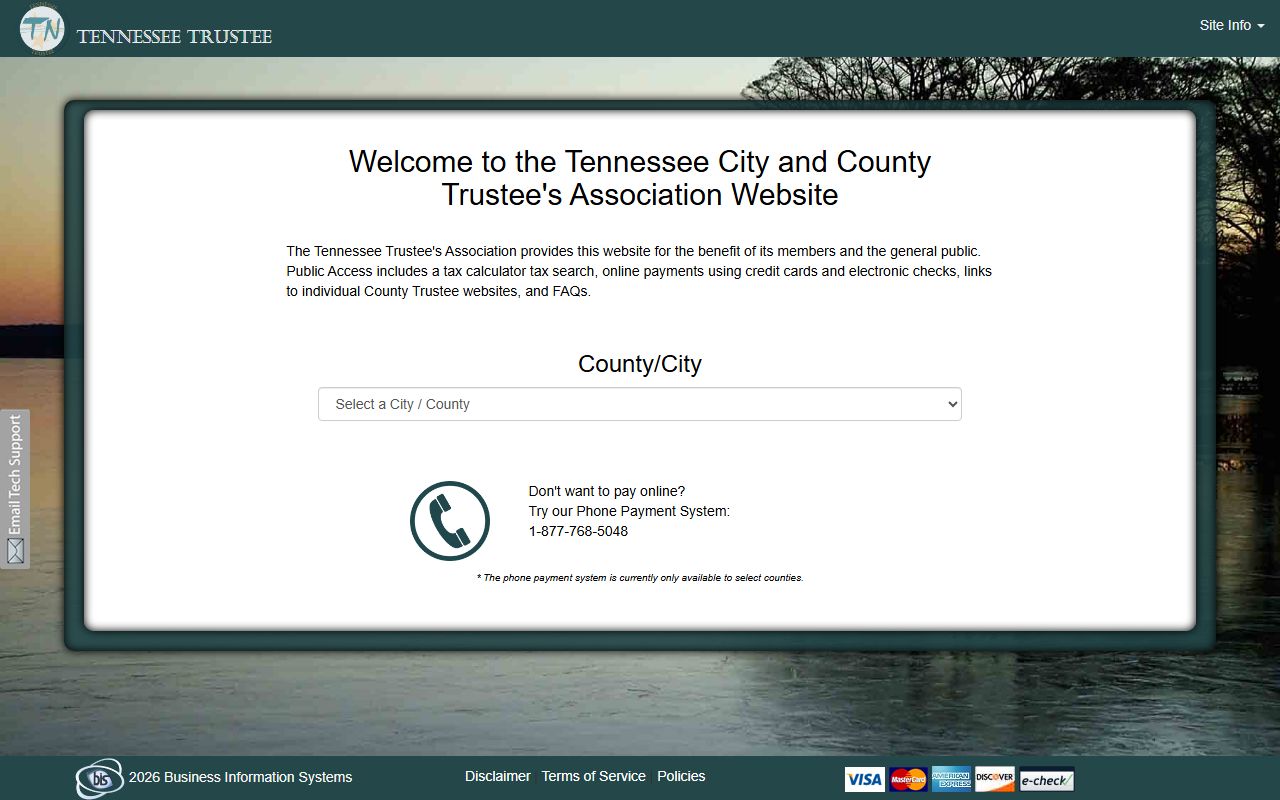
This image fits the section because Haywood County Property Tax Records are not complete until the parcel side and the tax account side have both been checked.
Useful account checks often include the tax year, current owner display, parcel reference, and whether the balance shown matches the same property already confirmed in the assessment portal.
Haywood County Property Tax Records Appeals
Haywood County Property Tax Records can lead into an appeal when the owner believes the assessed value or property class is wrong. Tennessee starts that process with the county board of equalization and then allows further review through the state board if the issue remains unresolved. That sequence is important because it gives the county a chance to review its own record first. The best appeal file is a simple one. Keep the parcel printout, the assessment notice, and any supporting property facts tied to the same county parcel and the same tax year from the beginning.
The county board guidance page explains the local first step, while State Board of Equalization appeals explains what happens if the review continues. Haywood County Property Tax Records are easier to evaluate once the appeal route is clear. A searcher can then separate a parcel mistake from a value dispute and decide whether the record needs correction, clarification, or a formal challenge.
The image below links to official county board guidance for Haywood County Property Tax Records review.
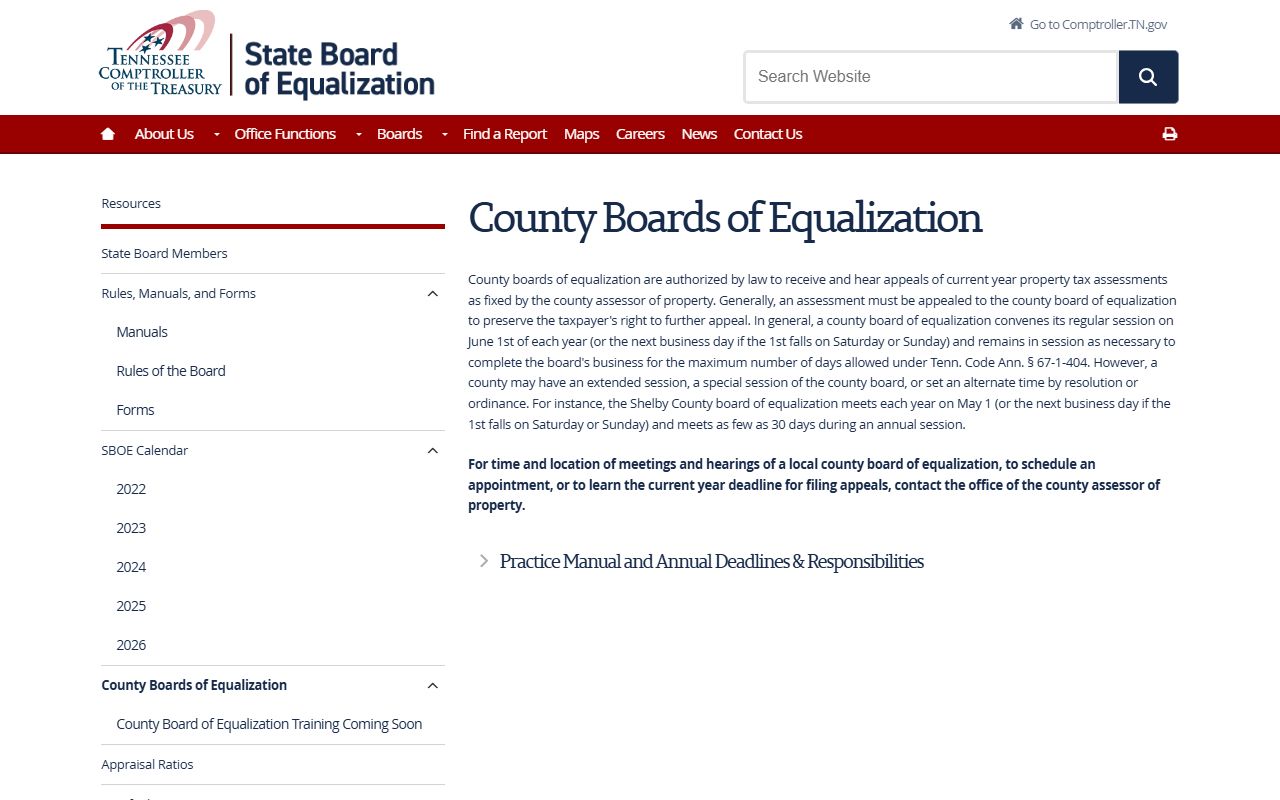
This image belongs here because Haywood County Property Tax Records disputes usually begin with local review before a state-level appeal is considered.
Haywood County Property Tax Records Rules
Haywood County Property Tax Records sit inside Tennessee's ad valorem property tax system. The CTAS property tax guide explains that system in practical terms, which helps a searcher understand how assessment, billing, and collection fit together. That is useful because a county record is more than a balance note. It reflects appraisal work, classification decisions, and county administration under state rules. Haywood County Property Tax Records become easier to read when the searcher understands that the parcel file and the tax bill are parts of one larger county process.
The state board manuals page adds more detail on appraisal and classification standards. That matters when a record feels inconsistent. The problem may sit in value or class rather than in tax collection. Haywood County Property Tax Records often become clearer once the search returns to the rule side and identifies whether the issue starts in the parcel record, the assessed value, or the later account stage.
- Use the parcel search first.
- Match the owner, parcel, and year.
- Review assessment guidance next.
- Use the trustee path for account issues.
- Turn to the appeal route for value disputes.
Haywood County Property Tax Records Help
Haywood County Property Tax Records are easiest to use when the search follows a clear order. Start with the parcel record in TPAD. Use the county assessment page to confirm that the county follows the same state framework described in the research. Move to the trustee path only after the parcel facts are settled. Then use the board resources if the problem is really a value dispute. That sequence keeps the search tight and prevents a simple parcel issue from turning into a confusing account problem.
If the record still seems off after those steps, gather the parcel result, the county guidance, and the account information into one file and compare them line by line. Haywood County Property Tax Records are much easier to request, review, and challenge when the same parcel facts appear in each place. That is the simplest way to avoid drift between the county value side and the county collection side.